A weak shower or slow-filling sink is frustrating, but the cause is not always the same. Before buying a new fixture or changing a valve, notice where the problem happens. These checks help you describe it clearly and decide who to call.
The quick answer
Start here: Try more than one faucet, compare hot and cold water, and check your water provider’s notices. One weak faucet points to a different problem than weak water throughout the house.
💧 Pressure or flow: what feels weak?
Pressure is the force pushing water through your pipes. Flow is how much water comes out over time. A clogged faucet screen can reduce flow even when the home’s incoming pressure is fine.
Test a few faucets separately, with the washing machine and irrigation off. Then note whether the problem changes when someone uses another fixture. You do not need to take anything apart to collect these clues.
When only one faucet is weak
Start with the aerator, the small screen at the end of many faucets. Debris or mineral deposits can clog it. Moen’s aerator guide (opens in a new tab) shows why the removal method depends on the faucet.
- Find your model’s cleaning instructions before removing parts.
- Cover the drain so small pieces cannot fall in.
- Rinse out loose debris, then reinstall as directed.
- Stop if a part will not move easily. Do not drill out flow controls.
If cleaning does not help, the faucet’s cartridge, supply valve, or hose may need attention. Moen’s low-flow troubleshooting (opens in a new tab) explains these model-specific possibilities.
When only the hot water is weak
Compare hot and cold at several faucets, keeping hands out of hot water. If the hot side is weak everywhere, the water heater or its supply path may be involved. If it happens at one fixture, start there.
SAWS’ pressure checklist (opens in a new tab) separates hot-water issues from whole-house problems. Tell your plumber whether this started after heater service. Leave heater connections, gas controls, and electrical covers alone.
When the whole house is affected
Check the provider named on your water bill. SAWS customers can use its outage and problem-reporting page (opens in a new tab). Austin Water customers can find the outage map and reporting details on its water leaks and outages page (opens in a new tab). Follow any notice that applies to your address.
If no service issue explains the change, note any recent plumbing work. A homeowner shutoff may have been left partly closed. Do not operate utility valves or force a stiff handle.
Check valves and treatment equipment carefully
A pressure valve needs a measured check
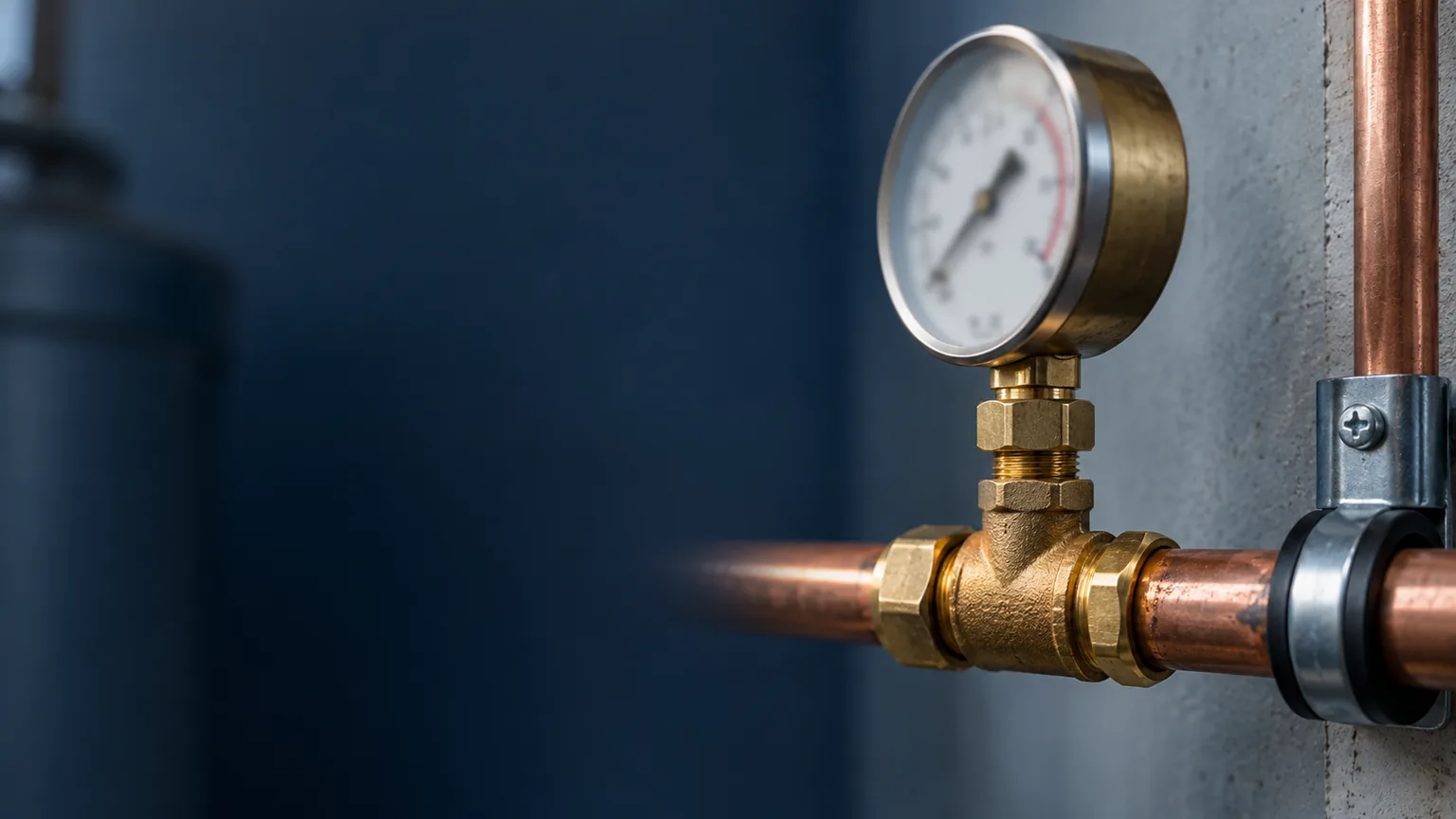
A pressure-reducing valve, or PRV, limits incoming pressure. SAWS notes that an existing PRV may need service. Ask a plumber to measure pressure with water off and running before deciding what to adjust. Turning its screw blindly can hide the real problem.
When planning water treatment, Everly checks water pressure and the valve controlling it along with household demand. Our water-system installation checks help match equipment to the home; they do not replace diagnosing a new pressure problem.
A filter can be part of the problem
If your home has treatment equipment, check the model and service history. A loaded sediment cartridge can restrict water; Pentair’s filter manual (opens in a new tab) includes this troubleshooting step. Follow your own system’s instructions before changing filters or using bypass. See how water softeners and filters do different jobs.
🔎 Watch for leaks and know when to call
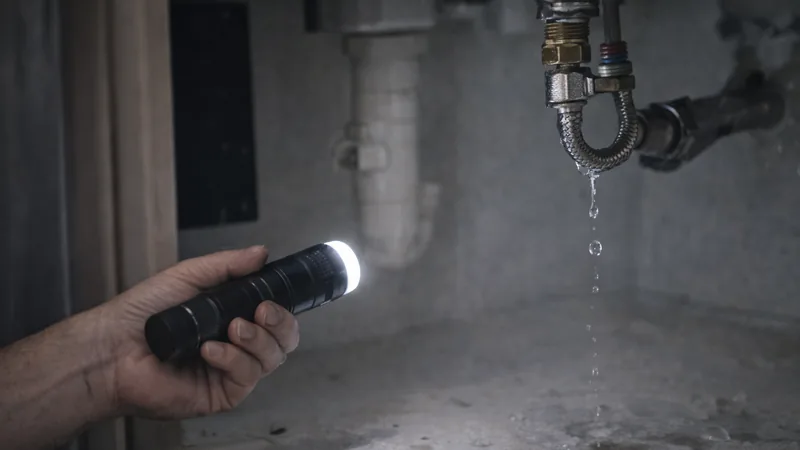
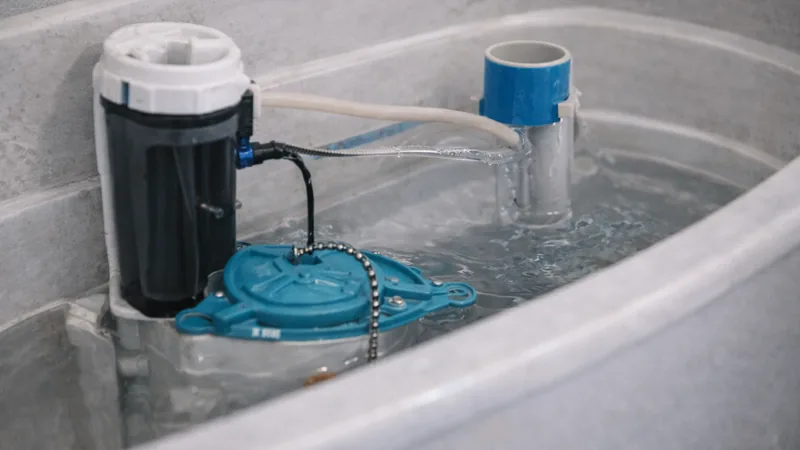
A sudden drop deserves attention, especially with damp walls, unexplained puddles, or water use that continues when everything is off. Austin Water recommends checking meter readings and unusual usage for leak clues. Our hidden water leak guide explains what to look for. Also check a toilet that keeps running.
For active flooding, close your known homeowner shutoff if you can reach and operate it safely. Arrange plumbing help. Call for an assessment when weak water persists after basic checks, affects several fixtures, or comes with signs of a leak.
Common questions
Will a water softener fix low pressure?
It is not a general pressure fix. Find the cause first; existing treatment equipment may itself need service.
Should I raise the pressure myself?
Have it measured first. A weak stream alone does not tell you the correct valve setting.
What should I tell the plumber?
Which fixtures are affected, whether hot and cold differ, when it started, and any recent work or filter changes.